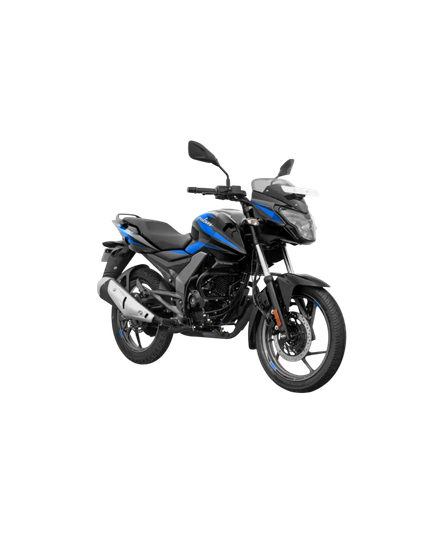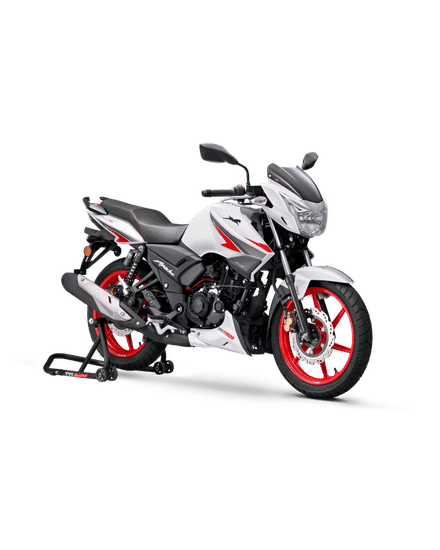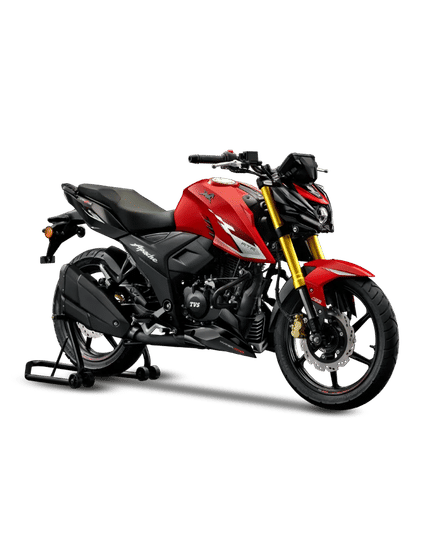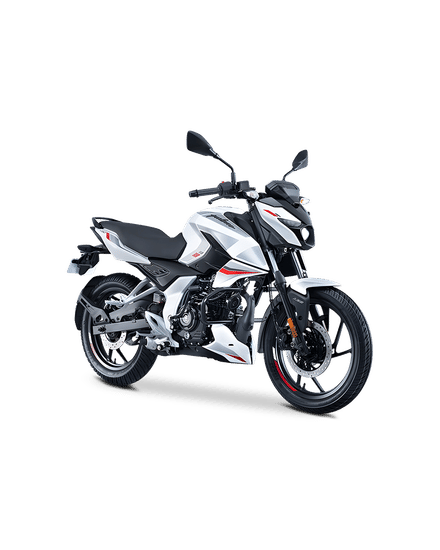
Opening gallery...


4 Colors to choose


Pulsar 150
₹1.15 - ₹1.23 Lakh

Apache RTR 160
₹1.14 - ₹1.27 Lakh
Engine Capacity
Top Speed
Expert Rating

Pulsar 150
₹1.15 - ₹1.23 Lakh

Apache RTR 160 4V
₹1.20 - ₹1.39 Lakh
Engine Capacity
Top Speed
Expert Rating

Pulsar 150
₹1.15 - ₹1.23 Lakh

Pulsar NS160
₹1.26 - ₹1.35 Lakh
Engine Capacity
Top Speed
Expert Rating
Bajaj Pulsar 150
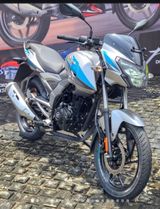
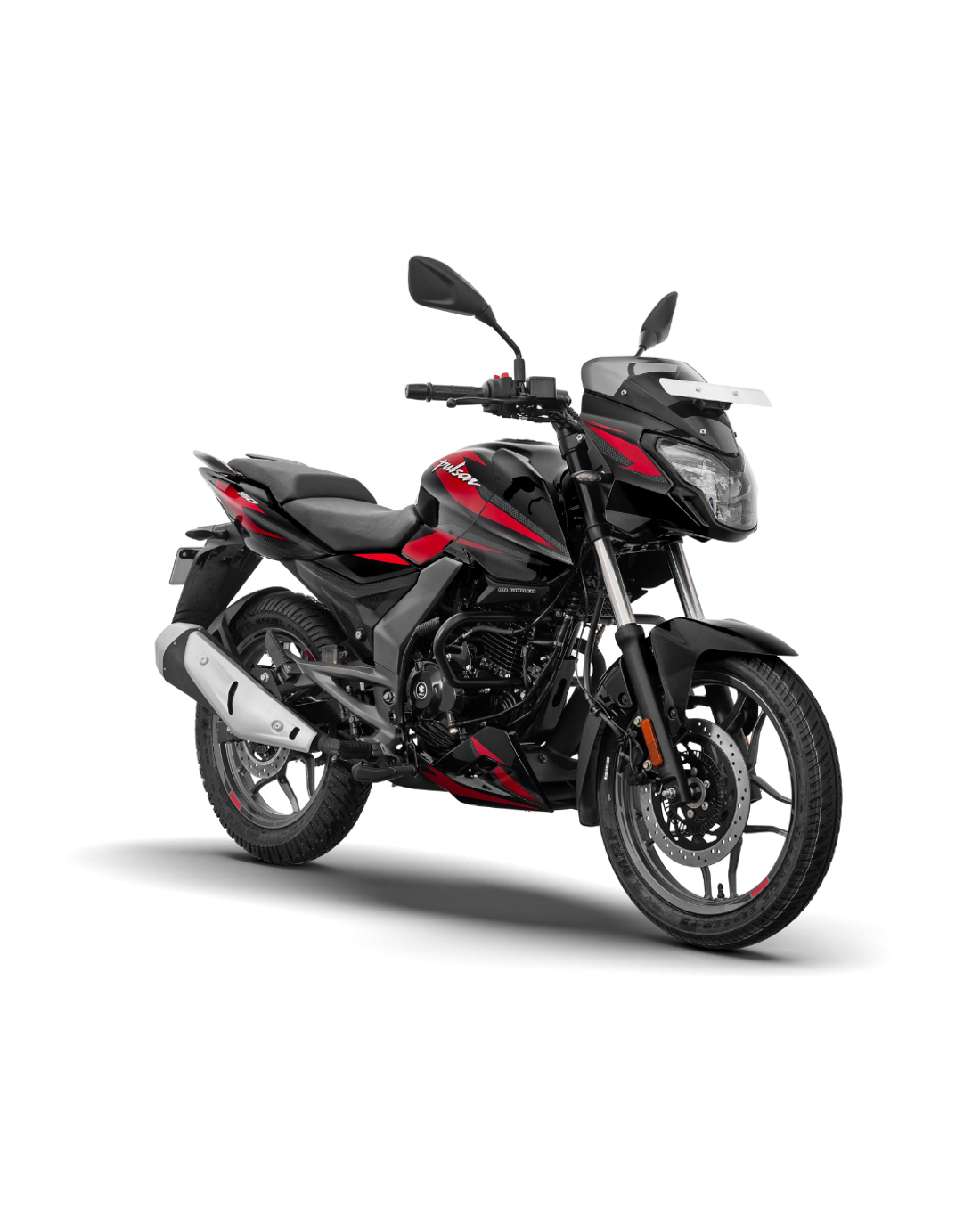
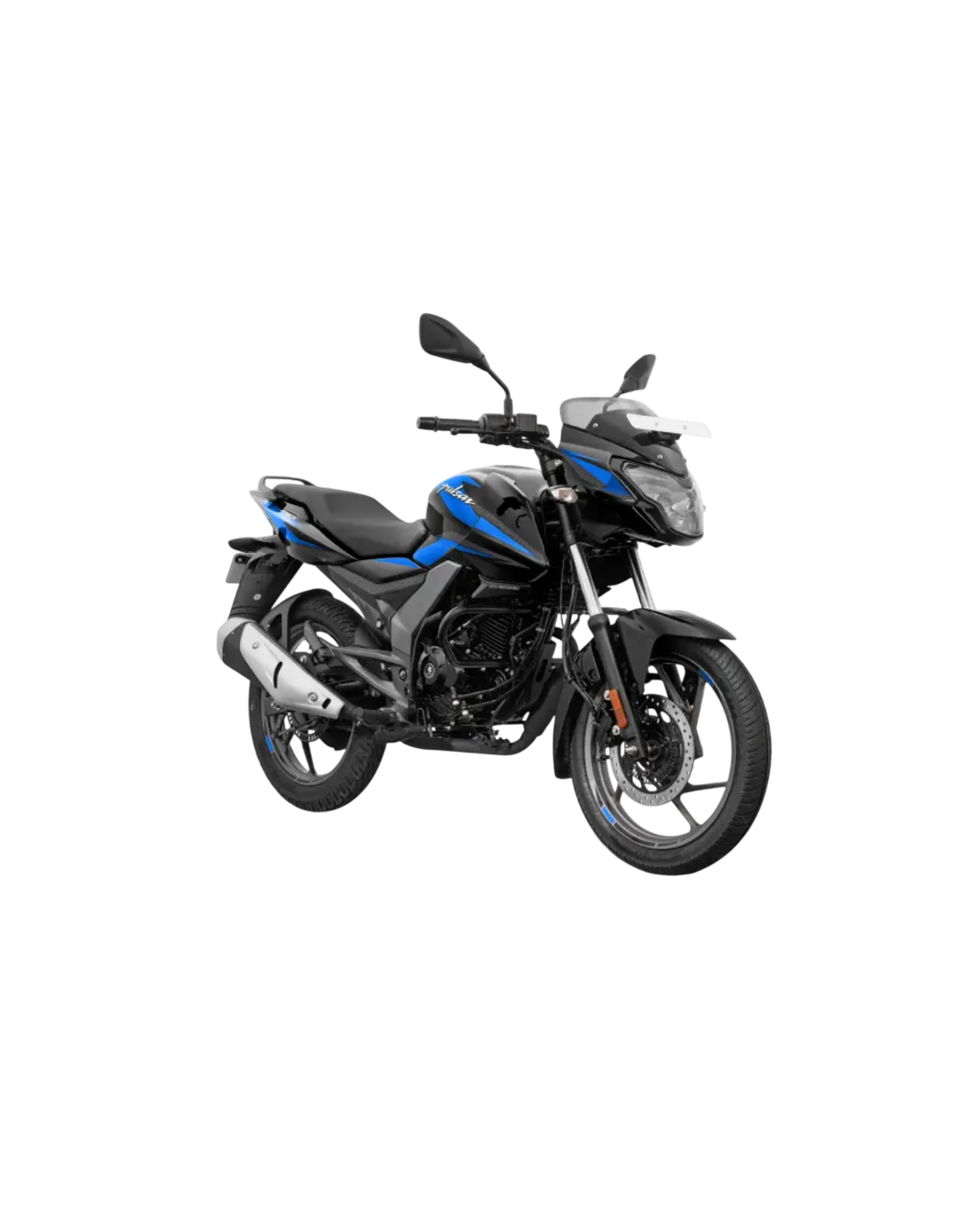
Nearly 25 years after bringing the original Pulsar, Bajaj has taken the range forward with the launch of the next-gen model. The new Pulsar 150 not only gets a revised 149.5 cc engine with 14 PS and 14.1 Nm of torque, but also gets a completely new monoshock setup which aids in better ride and handling balance. A major highlight on this new-gen Pulsar is the addition of a TFT screen as a feature, which also features phone mirroring and Google Maps.
EMI ₹ 2,178 /mo
Pulsar 150 Highlights
The next-gen Pulsar 150 finally brings a lot of premium features that were due to come for a very long period of time.
Introduction of proper premium features such as ride modes and a functional TFT screen that gets Google Maps and phone mirroring features.
The step down to skinnier tyres and the standardization of the disc brakes to a smaller size of 260 mm.
Bajaj Pulsar 150 Prices
₹ 2,446/mon
₹ 2,594/mon
₹ 2,615/mon
Variant Wise Comparison
AHO (Automatic Headlight On) | ||
Hazard Warning Indicator | ||
Tyre Construction Type | ||
Side Stand Warning Indicator | ||
Engine Braking System (EBS) |
Average Speed Indicator | ||
Call/SMS Alerts | ||
Front Storage Box | ||
Geo Fencing | ||
Low Battery Indicator |
Braking System | Single Channel ABS | Single Channel ABS |
Wheel Size | R17 | R17 |
Wheel Type | Alloy | Alloy |
Front Suspension Type | Telescopic | Telescopic |
Rear Suspension | Monoshock | Monoshock |
Gear Shifting Pattern | 1 Down 4 Up | 1 Down 4 Up |
Number of Spark Plugs | ||
Engine Capacity | 149.5 cc | 149.5 cc |
Engine Type | 4-stroke, 2-valve, single-cylinder, twin-spark | 4-stroke, 2-valve, single-cylinder, twin-spark |
No. of Cylinders | 1 | 1 |
Riding Modes Switch | ||
Touch Screen Display | ||
Gear Status Indicator | ||
Tachometer | Digital | Digital |
Speedometer | Digital | Digital |
Navigation assist |
Length | 2250 mm mm | 2055 mm mm |
Width | 765 mm mm | 765 mm mm |
Height | 1060 mm mm | 1060 mm mm |
Wheelbase | 1320 mm mm | 1320 mm mm |
Ground Clearance | 165 mm mm | 165 mm mm |
Daytime Running Lights (DRL) | ||
Headlamps |
Bluetooth Connectivity |
Standard Warranty | 5 Years/75000 kms | 5 Years/75000 kms |
Chassis/Frame Type | double-cradle frame | double-cradle frame |
Expert Verdict on Pulsar 150
91Wheels Expert
Pros & Cons of Pulsar 150
What we admire in this bike
New monoshock setup for the rear suspension offers better travel than the outgoing model, resulting in a better ride and handling balance
The revised engine now produces 14.1 Nm torque, which is higher than the outgoing bike’s 13.2 Nm. While the power output of 14 PS remains the same as before, it now comes in at 8000 RPM vs the 8500 RPM of the outgoing bike, thereby improving tractability.
5-inch Colour LCD with Turn-by-Turn navigation on base variants and a full 5-inch TFT screen with Wi-Fi and Google Maps screen mirroring on the top trim add to the premium quotient of the bike.
Modern conveniences such as an ISG (Integrated Starter Generator) for silent push-button starts, switchable MTB ride modes, a Type-C fast-charging port (replacing Type-A), and hazard lights are a welcome addition.
What could have been better
All trims now use an 80/100 front and 100/90 rear tyre profile, losing the beefier 90/90 front and 120/80 rear tyre from the previous Split Seat trim.
Front braking hardware is standardised to a 260 mm disc across the lineup, removing the larger 280 mm front disc previously found on the Split Seat model.
The entry SD trim misses out on the engine belly pan, drops hazard lights, and downgrades turn indicators from LED to conventional halogen bulbs.
Should I buy the Pulsar 150?
Opt for the Next Gen Pulsar 150 TD variants if you prioritise a tech-forward experience and agile urban performance. The inclusion of a rear monoshock, enhanced torque, and a high-tech TFT screen with phone mirroring makes it a compelling choice for daily riding. Avoid the base SD variant completely, though.
- The design of the Pulsar 150 is inspired by the iconic Pulsar bike. While the styling of it is getting old now, the bike still turns heads on the road. The road presence is also masculine and good for Pulsar 150. The rear tyre feels a bit thin compared to the overall dimensions and looks of the bike. Overall, the design is meant for cult Pulsar lovers who like the bike from the Stuntmania days.
- Pulsar has always been a sporty bike to ride. Hence, the ride comfort of it is moderate. The handlebar is tilted towards the front while the footpegs are set a bit rear for the rider. Thus, the overall riding posture is sporty. It is meant for young buyers looking for an exciting city riding experience.
Pulsar 150 body specifications:
| Ground Clearance | 165 mm mm |


- The engine performance of the Pulsar 150 has always been its strongest highlight. This engine has a very good punch in the mid-range and top-range. The initial pickup of the bike is also torque-rich. The 150-cc engine doesn’t heat much in traffic, and the 5-speed gearbox is slick and easy to use. The cruising speed of the Pulsar 150 is around 80 kmph. After that, the engine feels a bit out of breath.
- The Pulsar 150 engine is also widely appreciated for its good fuel economy. Users on our website report an average city fuel economy of around 42 kmpl. However, if ridden on open roads, it can churn upwards of 50 km/h easily.
- The Pulsar 150 is equipped with telescopic front suspension and shockers at the rear. This suspension is tuned for city riding comfort. Hence, it is not too stiff and provides a cushioning ride. With pillion, the rear feels a bit too soft, and the risk of the rear suspension bottoming out on bad roads increases. Out on the highway, the bike feels pliant and composed at high speeds.
- Pulsar has been a bit heavy and big in terms of weight as well as dimensions. The Pulsar 150 is no different case either. It handles well in moderate traffic, but in tight city traffic conditions, it becomes a bit difficult to maneuver it easily. The long turning radius is also not very helpful inside the city. On open roads, the handling feels very agile and exciting. Taking corners at high speeds is fun on the Pulsar 150.
-
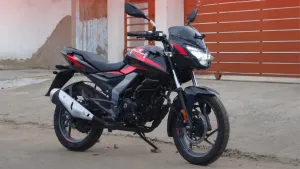
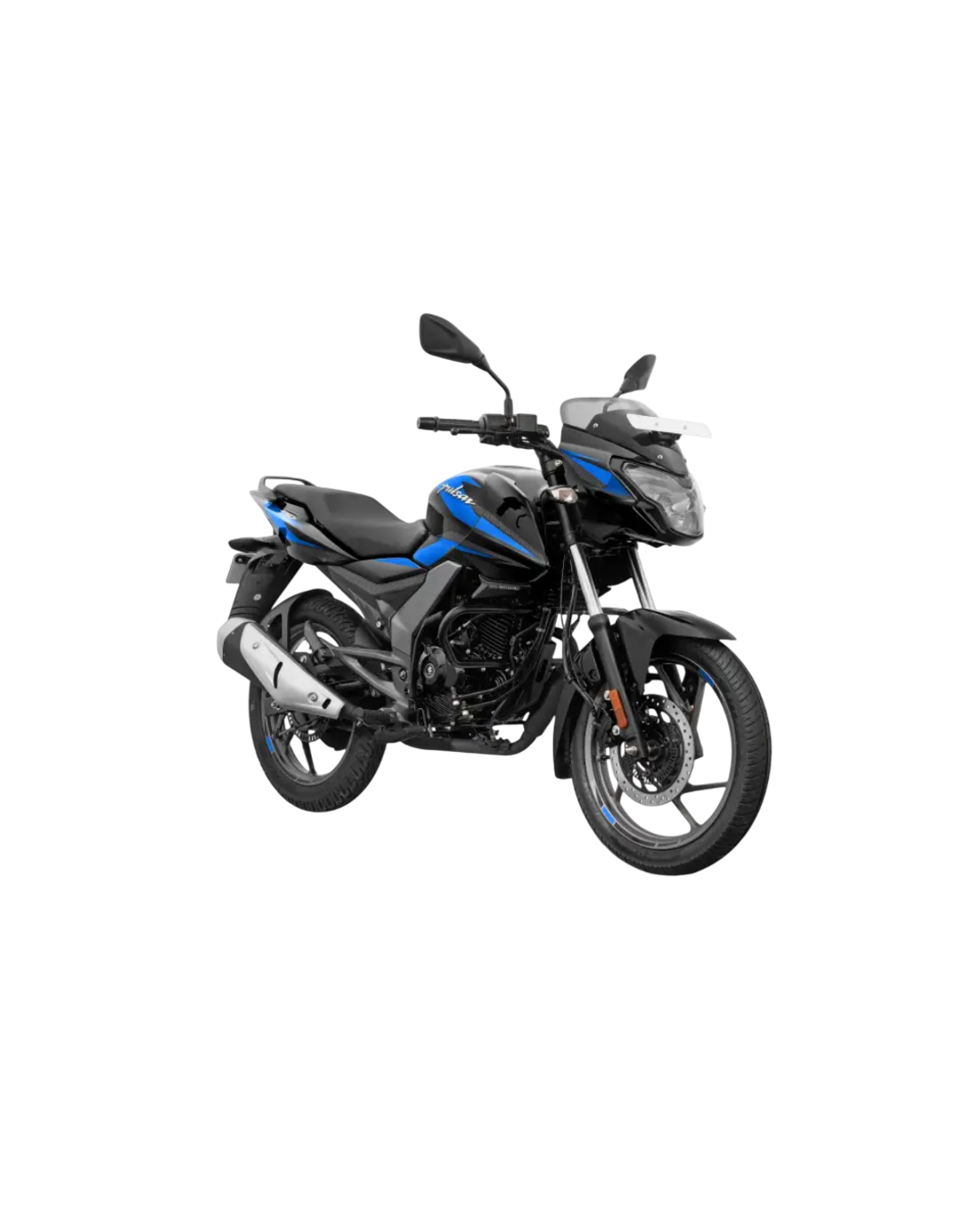
The Pulsar 150 retains the familiar muscular silhouette that has made the Pulsar name instantly recognisable, but the Next-Gen version gives it a more contemporary identity. The compact proportions, sculpted fuel tank and LED lighting give the motorcycle a stronger road presence without making it look excessive.
-
The feature list is quite extensive, offering a 5-inch colour LCD or a high-tech TFT display depending on the chosen variant, alongside modern essentials like Bluetooth connectivity, a Type-C USB charging port, and full LED lighting. Opting for the top variant also unlocks Google Maps mirroring. Furthermore, the transition to the next-gen platform brings in a rear monoshock setup and selectable ride modes, providing riders with genuine performance enhancements over simple aesthetic tweaks.
-
The relatively neutral ergonomics keep pressure off the wrists while providing enough control over the motorcycle. The split-seat and single-seat versions also offer some flexibility depending on the buyer's preference. Its approachable proportions and familiar layout should make it easy to settle into.
Pulsar 150 body specifications:
| Ground Clearance | 165 mm mm |


-
The Pulsar 150 is powered by a new 149.5 cc motor that puts out 14 PS and 14.1 Nm of torque. This added torque brings in better tractability at city speeds, which is well augmented by the crawl control tech as seen on the N160ss as well.
-
In terms of braking hardware, the standardisation of the entire range with a 260 mm disc setup for the front brakes is a downgrade. However, what’s also standard on the entire range is single-channel ABS, which is a welcome addition.
-
In terms of fuel economy, while there is no official number for the new-gen Pulsar 150, it is expected to be along the same lines as the outgoing model. The fuel economy of the outgoing model was rated at 47.5 kmpl, and this model should be no different.
-
In terms of ride comfort, Bajaj has moved to a monoshock setup for the rear suspension, which brings in a better blend of ride and handling balance. This should give the new-gen Pulsar 150 better stability while out on the highway and also improve the comfort factor.
-
However, there has been a downgrade on the front suspension setup. The bike now sports a 33 mm fork setup while the outgoing model had a 37 mm fork setup. However its expected that real-world experience shouldn’t be remarkably different.
-
Apart from the SD variant, the twin disc setup of the Pulsar 150 combined with the single channel ABS should offer decent braking power, thereby aiding in the safety aspect. What should also help while riding in the night are the powerful LED headlamps.

₹1.15 - ₹1.23 Lakh*
Ex-Showroom Price
Explore Bajaj Pulsar 150
Exclusive Offers
Find Offers from nearby dealers
Bajaj Pulsar 150 Competitors
| Models | Engine | Mileage | Kerb weight | Seat height | Fuel Tank Capacity | No. of Gears | Compare |
|---|---|---|---|---|---|---|---|
![]() ₹1.15 - ₹1.23 Lakh* | 149.5 cc | - | 148 Kg kg | 785 mm mm | 15 Litres L | 5 Speed Gears | |
| 159.7 cc | 61 kmpl | 137-146 kg | 790 mm | 12 litres | 5 Speed Gears | Pulsar 150 vs Apache RTR 160 | |
| 159.7 cc | 41.4 kmpl | 144 kg | 800 mm | 12 litres | 5 Speed Gears | Pulsar 150 vs Apache RTR 160 4V | |
| 160.3 cc | 52.2 kmpl | 152 Kg kg | 805 mm mm | 12 Litres L | 5 Speed Gears | Pulsar 150 vs Pulsar NS160 | |
| 149 cc | 60 kmpl | 136 kg | 790 mm | 13 litres | 5 Speed Gears | Pulsar 150 vs FZS FI V4 | |
| 149 cc | 49.31 kmpl | 135 kg | 790 mm | 13 litres | 5 Speed Gears | Pulsar 150 vs FZ-S FI | |
| 164.5-164.9 cc | - | 154 Kg kg | 795 mm mm | 14 Litres L | 5 Speed Gears | Pulsar 150 vs Pulsar N160 | |
| 149 cc | 49.31 kmpl | - | 790 mm | - | 5 Speed Gears | Pulsar 150 vs FZ-S FI V3 | |
| 124.45 cc | 46.9 kmpl | 146 Kg kg | 805 mm mm | 12 Litres L | 5 Speed Gears | Pulsar 150 vs Pulsar NS 125 | |
| 125 cc | 66 kmpl | 136-138 kg | 794 mm | 10 litres | 5 Speed Gears | Pulsar 150 vs Xtreme 125R | |
| 220 cc | 40 kmpl | 160 Kg kg | 795 mm mm | 15 Litres L | 5 Speed Gears | Pulsar 150 vs Pulsar 220F |
Pulsar 150 Owner Reviews

Reviews (7)
Great Mileage Experience
Happy with the Bike
Stylish, Feature-Packed & Great for Long-Distance Travel
My Dream Bike – Bajaj Pulsar 150
Reliable Long-Lasting Performance
Latest Updates on Pulsar 150
2026 Bajaj Pulsar 125 and 150 Launched! Starts At Rs 92,990.
Locate Your Nearest Dealership
Pulsar 150 News & Expert Reviews
Top Sports Bikes You Should Not Miss